Moving to Birmingham: a guide to the neighbourhoods
The Quarter for flats and a five-minute walk to work, Moseley and Kings Heath for the new trains, Harborne for its High Street, Bournville for Cadbury's dry village and Stirchley for the co-ops. Where to live in Birmingham.
By Only Birmingham Editorial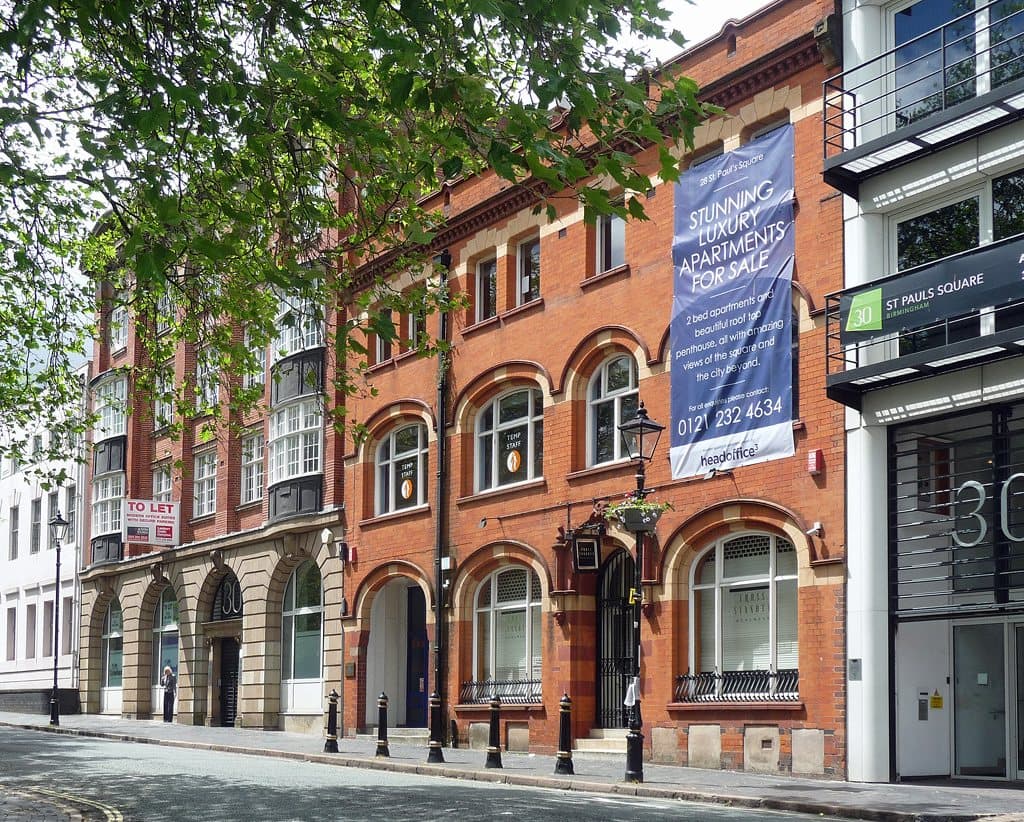
If you are moving to Birmingham and want to walk to work, start in the Jewellery Quarter, B18. If you want a high street, a park and a pub with a music room, look south to Moseley and Kings Heath, which got their trains back this spring. Harborne and Edgbaston sit to the south-west; Bournville and Stirchley run down the Cross-City Line. Here is the short version of each, so you know where to book the viewings.
The Jewellery Quarter: flats in the workshops
The Quarter is still a working district. It makes about 40% of the UK's jewellery and has the largest cluster of jewellery businesses in Europe. Around them, about 19,000 people now live in roughly a square kilometre, in converted warehouses on St Paul's Square, new schemes such as St Paul's Place and Newhall Square, and flats on the old Birmingham Mint site.
St Paul's Square is the city's last Georgian square, with its church finished in 1779, and the Chamberlain Clock has stood at the junction since 1903. The whole area has been a conservation area since 2000. Jewellery Quarter station has trains to Snow Hill and trams into the centre. Best for: people who want city living without the city centre's noise, and a short walk to Colmore Row.
Moseley: the village with a festival
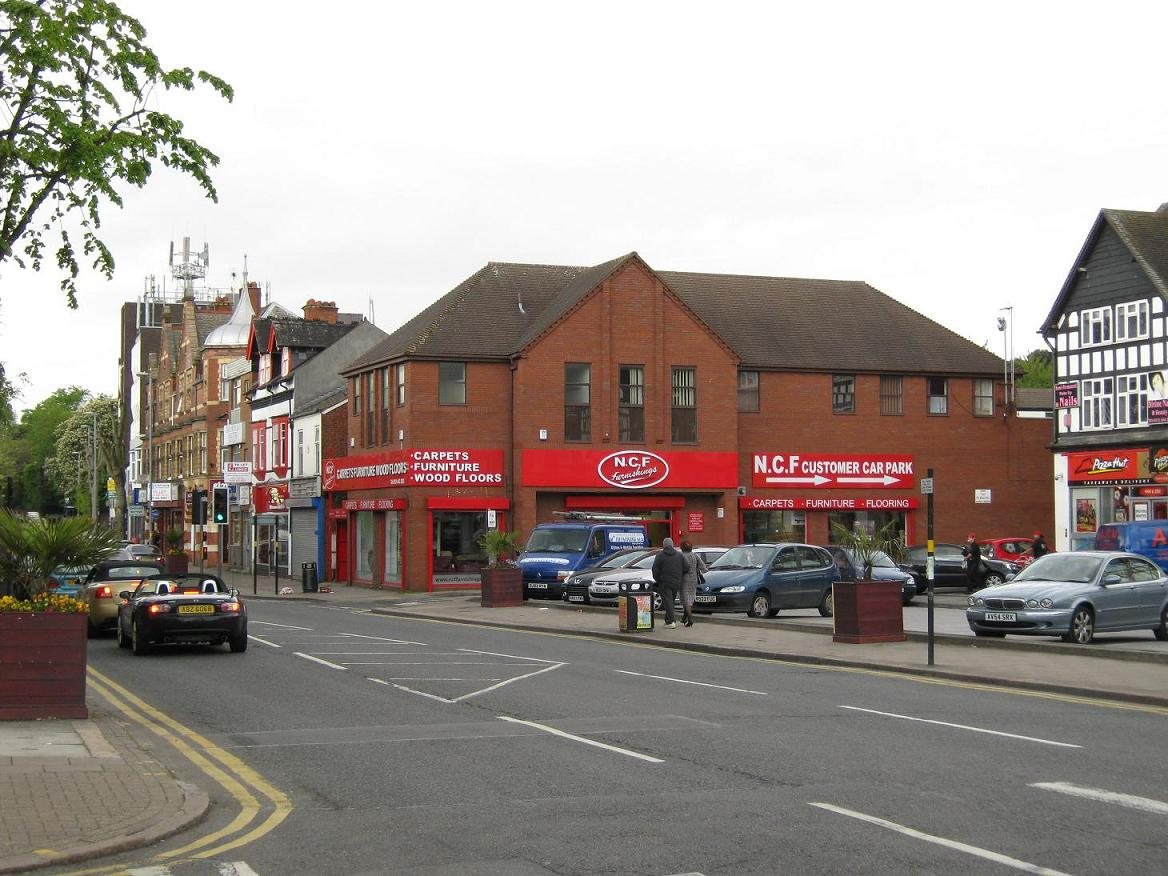
Moseley is three miles south, built around a Victorian shopping precinct everyone calls Moseley Village, which is a conservation area. It has Moseley Bog, the wood said to have shaped Tolkien's Middle-earth, a monthly farmers' market run by the Moseley Forum and the Jazz, Funk and Soul Festival in Moseley Park each summer. The Prince of Wales is the village pub, and it hosted the Pow-Wow LitFest for years.
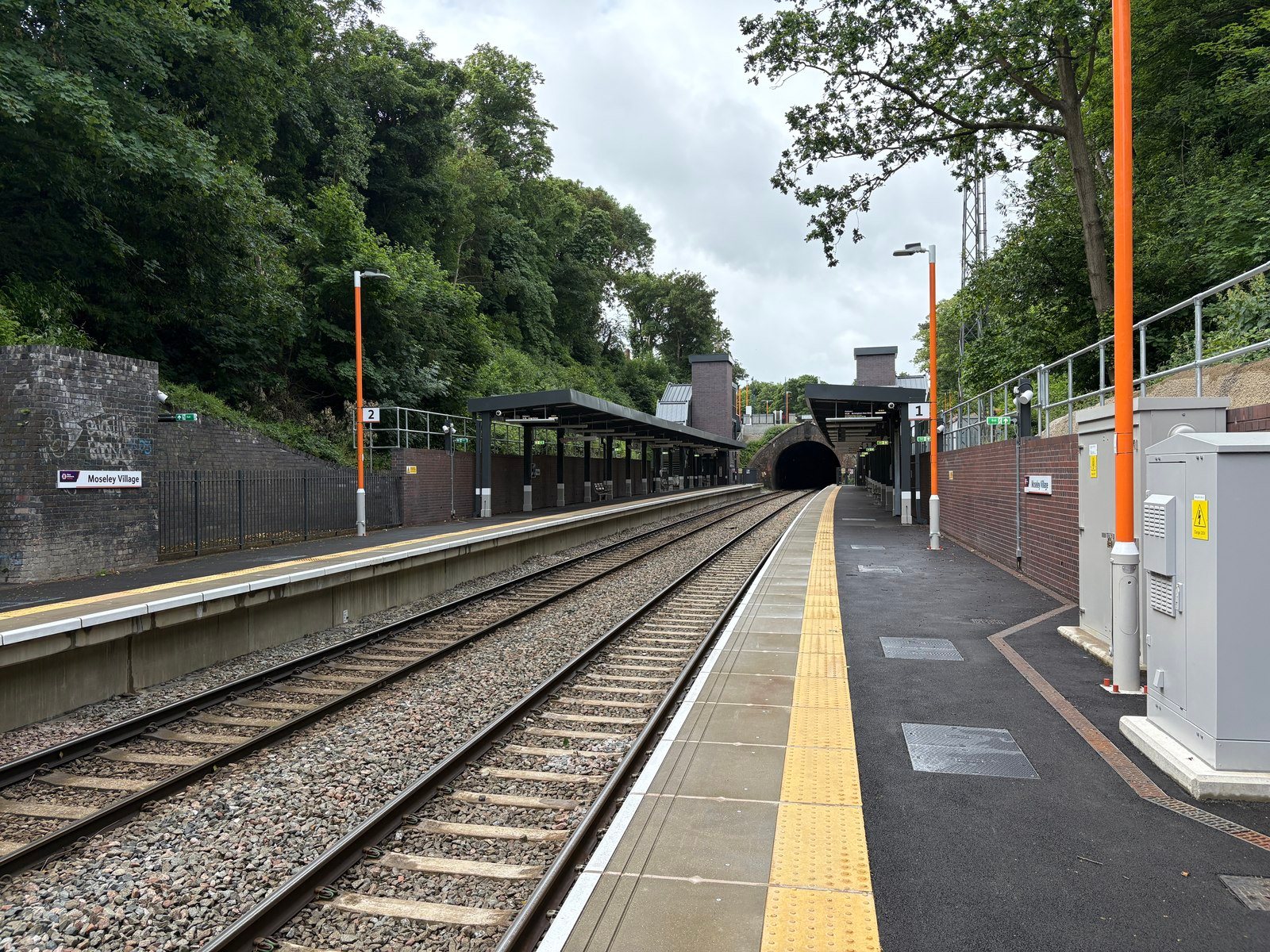
The big change is transport. Moseley Village, Pineapple Road and Kings Heath stations opened on 7 April 2026, with trains into New Street, planned every half hour for most of the day. For years, the only answer to living here was the bus. Best for: families and anyone who wants old houses and a proper village centre.
Kings Heath: the high street that still works
Further south, Kings Heath in B14 is about four miles from the centre. The High Street still has independent bakers, butchers and greengrocers alongside the chains, and the side streets are mostly pre-1919 terraces, which is why first-time buyers look here first. Kings Heath Park has Green Flag status and a tea room, and there is an annual pride event.
The landmark is the Hare and Hounds on the High Street, rebuilt in 1907, Grade II listed for its Art Nouveau interiors and the pub where UB40 played their first gig in February 1979. It is still a music venue. Best for: terraced houses, a gig on the doorstep and the new station.
Harborne: one long High Street
Harborne is about three miles south-west and runs on its High Street, which is long enough to have two pub crawls named after it, the Harborne Mile and the Harborne Run. The White Swan, the Green Man, The Bell and The Junction are all here. Harborne was not a Quaker estate, so it got the pubs that Edgbaston and Bournville did not.
The Harborne Walkway follows the old branch railway, which opened in 1874 and closed to passengers in 1934, for two miles to Ladywood, where you can join the cut into town. There is no station of its own now; University is the nearest. Best for: Victorian houses, the Queen Elizabeth Hospital and the university, and a busy High Street.
Edgbaston: where the trees begin
Edgbaston starts immediately south-west of the centre. In the 19th century the Calthorpe and Gillott families refused to allow factories or warehouses, and it became known as where the trees begin. It holds Edgbaston Cricket Ground, home of Warwickshire, the Botanical Gardens, Winterbourne, Martineau Gardens and the University of Birmingham. Five Ways station is on the Cross-City Line, and since July 2022 the trams run to Edgbaston Village. Best for: big houses, flats near Five Ways, and green space close to the centre.
Bournville and Stirchley: down the Cross-City Line
Bournville is about four miles south. Cadbury moved its factory here in 1879, and in 1893 George Cadbury bought 120 acres for a model village, with 313 cottages and houses by 1900. He was a temperance Quaker, so no pubs were built, and the historic estate is still dry. The Bournville Village Trust still reviews building plans in the conservation area, and the station is painted Cadbury purple. Selly Manor dates back to 1476.
Next door, Stirchley runs along the Pershore Road in B30, and it is where Bournville goes for a drink. It has a co-operative history and a new one: the Sunday Times named it the best place to live in the Midlands in 2024, and its worker co-ops include Loaf, a bakery and cookery school, and the Birmingham Bike Foundry. Best for: Bournville for the quiet and the green; Stirchley for the high street and the bakery.
The short list
- Walk to work: the Jewellery Quarter, B18.
- Village life with a new station: Moseley.
- Terraces and gigs: Kings Heath, B14.
- High Street and the hospital: Harborne.
- Trees and cricket: Edgbaston, B15.
- Cadbury and co-ops: Bournville and Stirchley, B30.
Visit on a Saturday morning and a weekday evening before you sign anything. The High Street on a Saturday tells you most of what you need to know.